


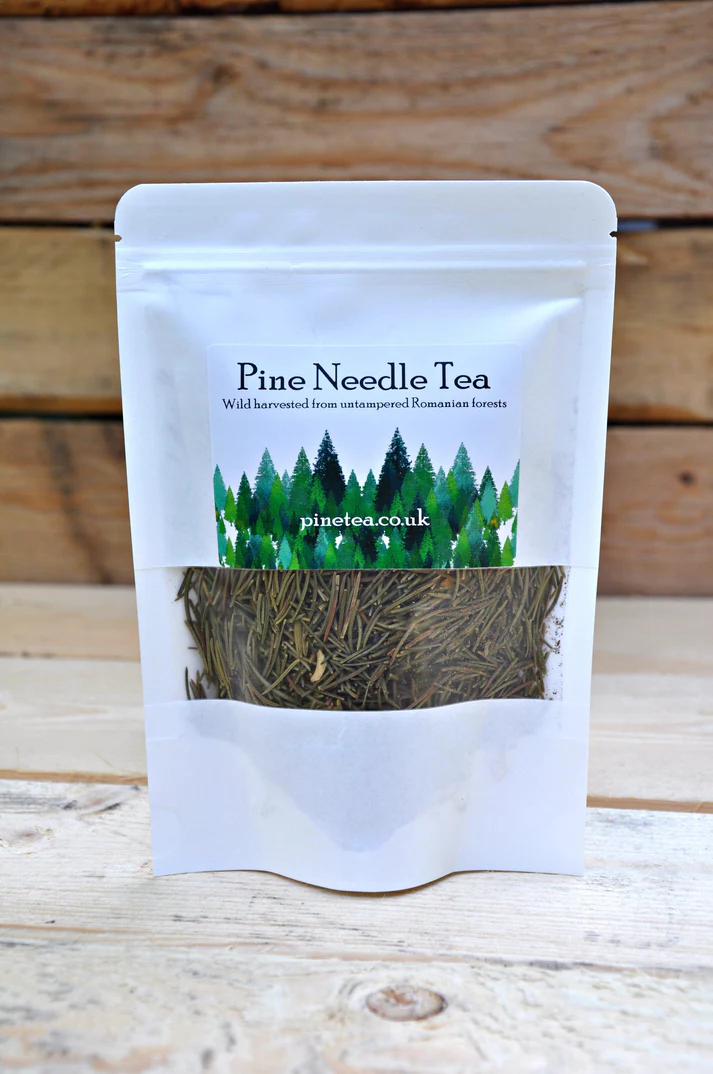
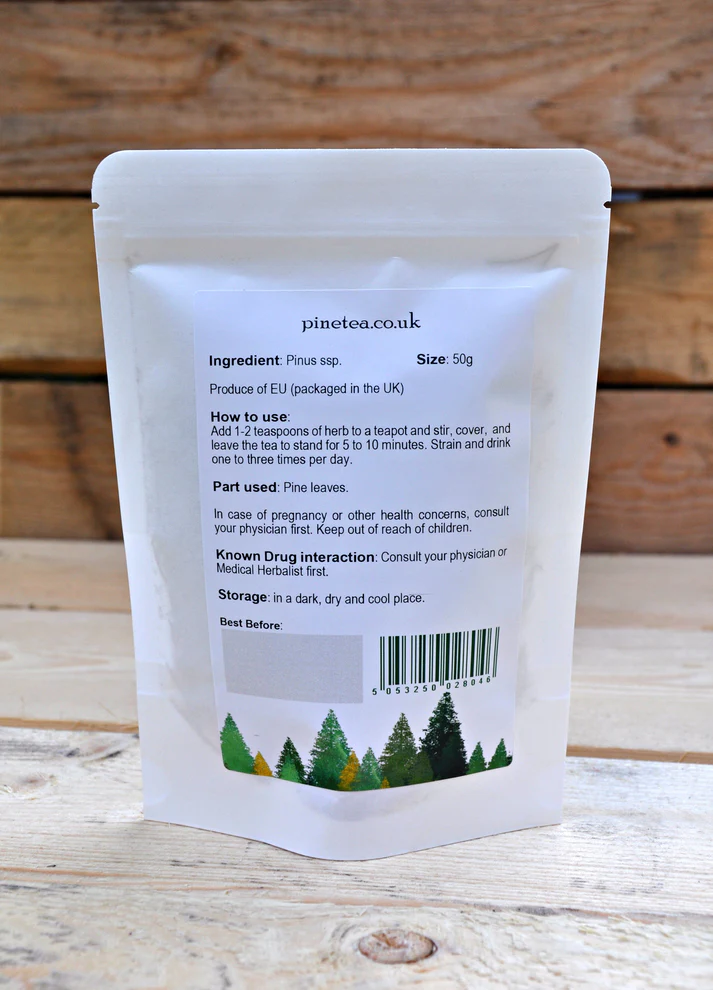
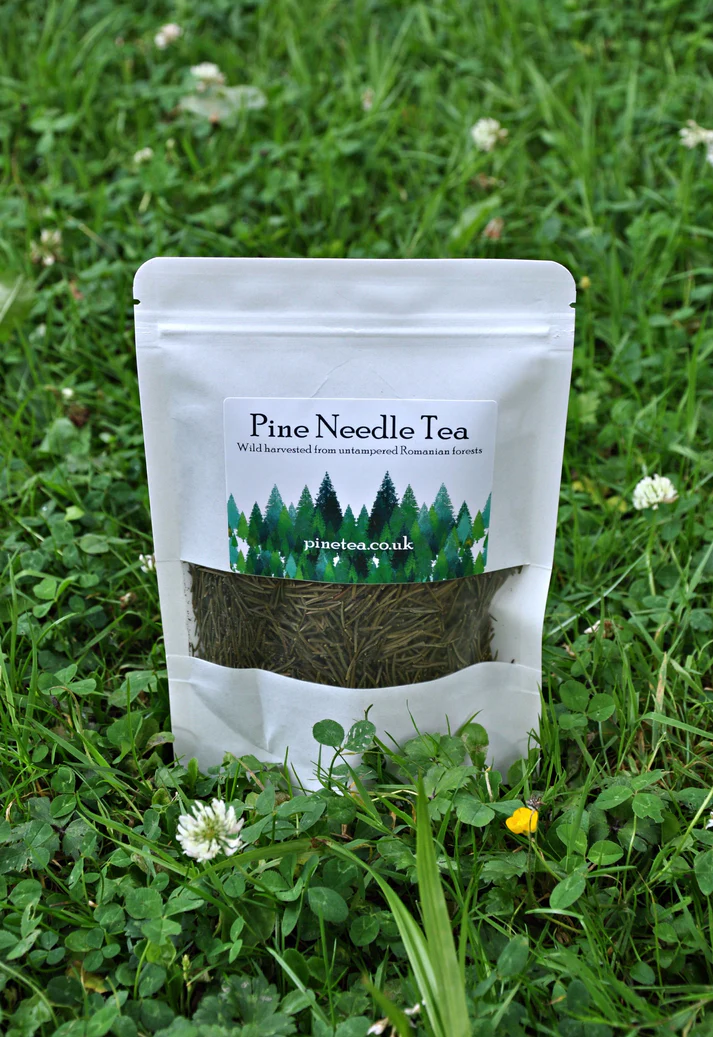
€1,300.00
Pine Needle Tea
Our wild-harvested white pine needle tea comes from one of the most untouched ecosystems in Europe, the old-growth forests that straddle the Carpathian Mountains in Eastern Europe..
Pine needle tea from White Pine has been considered an important medicinal tool for indigenous cultures for centuries. While formal research is somewhat limited on the subject, the anecdotal evidence of its benefits is undeniable. Only the fresh young needles are selected for our products, then carefully dried to preserve maximum bioavailability.
7 Reasons to Drink Pine Needle Tea
Consuming pine needle tea supposedly has a broad variety of health benefits, including:
Boosting immunity
Congestion and sore throat relief
Increased mental clarity
Helping depression
Combatting weight gain/preventing obesity
Reducing allergy symptoms
Lowering blood pressure
These benefits come about due to a broad array of vitamins, minerals and antioxidants that can be found in the pine needles and released into the tea for your consumption.
Do any Pine Needles make pine tea?
Most people know of pine trees. But, not all Pine Needles can be drunk as tea. We use needles from White Pine, which is most definitely safe and full of vitamins, minerals and antioxidants.
Other species of pine can sometimes contain toxins that can cause side effects that are unwanted so we always suggest getting pine tea from a source which you know is from white pine only.
Is all Pine Needle Tea Safe to drink?
No, not all pine needle tea is safe to drink. Certain species of pine are known to contain harmful substances and should be avoided. For instance, the needles of the Ponderosa Pine, Norfolk Island Pine, and Yew tree contain compounds that are toxic to humans when ingested.
It is essential to accurately identify the species of pine from which you are gathering needles. Commonly recommended varieties for pine needle tea include Eastern White Pine and Scots Pine, which are generally considered safe for consumption when properly prepared.
Additionally, be mindful of the environment from which you are harvesting pine needles. Areas exposed to pollution, pesticides, or herbicides may contaminate the needles.
Instructions
3 cups per day
Children: 1/3 cup, up to 3 times per day